Prescription Crackers

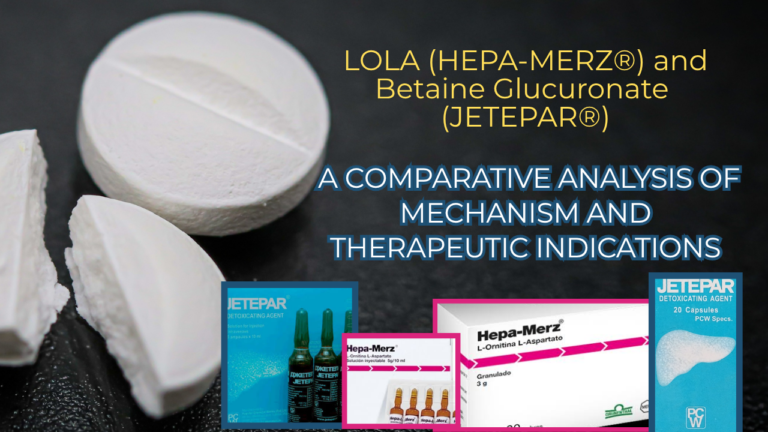
LOLA (HEPA-MERZ®) and Betaine Glucuronate  (JETEPAR®): A Comparative Analysis of Mechanism and Therapeutic indications

LOLA (HEPA-MERZ®):

L-Ornithine L-aspartate (LOLA) is a stable salt of two naturally occurring nonessential L-amino acids: ornithine and aspartic acid. Both of these amino acids are orally active. L-Ornithine L-aspartate (LOLA) plays an efficient role in lowering the blood ammonia level. They have also shown to alleviate the symptoms of hepatic encephalopathy associated with liver cirrhosis. L-Ornithine L-aspartate (LOLA) has demonstrated significant improvement in the mitochondrial functions.

Highlights of Mechanism of Action of LOLA:

LOLA supports ammonia detoxification through two complementary mechanisms:

Pathway 1: Urea synthesis (Mainly in liver)

LOLA helps the liver convert ammonia into urea, which can then be eliminated through the kidneys.

How ornithine and aspartate work in the urea cycle

Think of the urea cycle as a waste-treatment system with two important contributors i.e. ornithine and aspartate. The role of ornithine and aspartate in urea cycle is explained below: 

1. Protein metabolism produces ammonia. Ammonia contains nitrogen that the body needs to detoxify.

2. Ornithine helps the cycle continue. It combines with carbamoyl phosphate to form citrulline. Ornithine is regenerated later in the cycle, allowing it to participate again.

3. Aspartate supplies the second nitrogen atom of urea. In the cycle, citrulline combines with aspartate to form arginosuccinate. Through subsequent reactions, this contributes to the formation of arginine, which is then broken down to produce urea and regenerate ornithine.

4. Urea is eliminated. It enters the bloodstream, travels to the kidneys, and is excreted in urine.


Pathway 2: Glutamine synthesis (in Liver, muscle and other tissues)

What is glutamine?

Glutamine is an amino acid that can safely carry nitrogen between tissues. The body produces it by combining glutamate with ammonia.

In simplified form:

Glutamate +
Ammonia = Glutamine

This reaction is catalysed by an enzyme called glutamine synthetase. when ammonia combines with glutamate, the nitrogen of ammonia becomes part of the glutamine molecule.

 One important detail: glutamine can carry two nitrogen atoms—one in its amino group and another in its amide group. The nitrogen captured directly from ammonia is the amide nitrogen in this reaction.

Transport of Glutamine through blood: Glutamine enters the bloodstream and carries its nitrogen from the tissues such as muscle, that may have come from ammonia produced in the tissues, to the organs including the liver and kidneys.

 How does glutamine release and utilize at various destination:

  • Liver: Glutamine can release ammonia, which the urea cycle converts into urea for excretion in the urine.
  • Kidneys: Glutamine breakdown produces ammonium ion, which is excreted in the urine, helping regulate acid–base balance.
  • Other tissues: Glutamine can also be used to make proteins and other
    molecules
    , or broken down for energy; its nitrogen may be
    reused in metabolism.

The most important point to be noted here is that glutamine is not the final elimination product like urea, it has different fates depending upon the site where it goes.

What is the Role of LOLA in Glutamine synthesis:

LOLA (L-ornithine-L-aspartate) supports the removal of excess ammonia throughout the body by promoting its incorporation into glutamine, particularly in muscle and other tissues

  • ·      Ornithine-derived glutamate: Ornithine can be converted through metabolic reactions into glutamate, which serves as a substrate for glutamine synthesis.
  • Aspartate-derived glutamate: Aspartate can contribute to metabolic pathways that produce glutamate, which can then be used to synthesise glutamine.

🩺This path is particularly important when the liver’s normal ammonia processing capacity is impaired.

🩺The key difference is that the urea cycle converts ammonia into a waste product for excretion, whereas glutamine synthesis captures ammonia by incorporating it into an amino acid.

🩺The important point: LOLA supports the body’s existing ammonia-removal machinery; it does not simply bind ammonia directly and carry it out of the body.

What are the Therapeutic Indications of LOLA (HEPA-MERZ®):

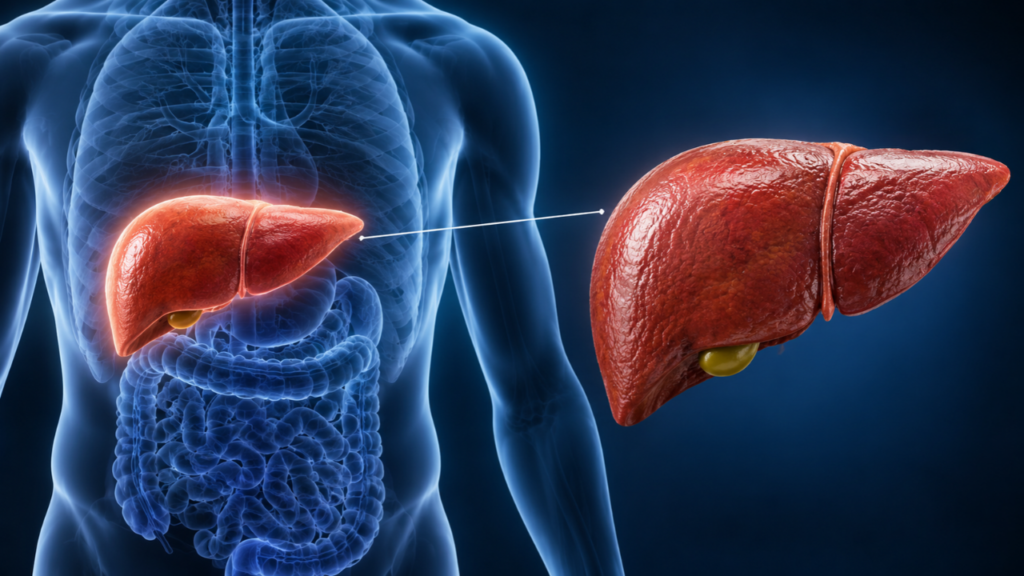
Through the mechanism that is described above, it is evident that LOLA is effective in the treatment of hyperammonaemia (increased level of ammonia) and the neurological disturbances (hepatic encephalopathy) related to the liver diseases such as Cirrhosis, Hepatitis, & fatty liver etc.

Betaine Glucuronate + Diethanolamine Glucuronate+ nicotinamide ascorbate (JETEPAR®):

JETEPAR® is a drug with specific detoxifying activity, attributed to its ingredients: betaine glucuronate, diethanolamine glucuronate (glucodiamine), and nicotinamide ascorbate.

What is Betaine Glucuronate?

Before moving toward betaine glucuronate, let’s first unlock the mystery of Betaine

What is Betaine?

·       Betaine is a stable and nontoxic natural substance. Because it looks like a glycine with three extra methyl groups, betaine is also called trimethyl glycine

·       First identified in Beta vulgaris, later found in significant concentrations in wheat bran, wheat germ, spinach, beets (beetroot), microorganisms, and aquatic invertebrates.

·       Betaine is safe at a daily intake of 9–15 g for human and distributes primarily to the kidneys, liver, and brain. Besides, dietary intake, betaine can be synthesized from choline in the body

 What is the biological role of betaine?

Betaine primarily act as methyl donor and Osmoprotectant, having significant anti-inflammatory properties as well.

1. Major Role: As Methyl Donor in liver Metabolism

·       Betaine is a vital methyl group donor in the transmethylation reaction occurring primarily in liver and kidney, a process catalysed by the BHMT (betaine-homocysteine methyltransferase). This reaction involves the conversion of homocysteine to methionine which is then transformed into S-adenosine methionine (also known as SAM or AdoMet or SAMe)

🩺SAM a.k.a AdoMet is the second most widely used enzyme substrate after ATP. AdoMet donates its methyl group to a large variety of acceptors including nucleic acids (DNA), proteins and lipids. Too little and too much of the molecule SAMe (S-adenosylmethionine) can cause fatty liver disease (steatosis), but they do it through completely opposite chain reactions.

In addition, Researches on betaine have shown that it reverses the dysregulated expression of genes involved in triglyceride metabolism and alleviates hepatic steatosis by altering the DNA methylation level in the genome and specific gene promoter in high-fat fed mice.

·       Due to the ability of betaine to reduce homocysteine, it is often considered for the treatment of homocystinuria to decrease elevated homocysteine blood levels.

What is Homocysteine?

Homocysteine is a non-essential amino acid which means that body produces it on its own and doesn’t require it to be taken from diet.

Homocysteine plays multiple roles in the body such as acting as an intermediate in methionine metabolism, which primarily takes place in the liver. Homocysteine also can combine with serine to form cysteine (using vitamin B6), which the body then uses to build glutathione—our cells’ master antioxidant and a key player in detoxification

Hyperhomocysteinemia may develop as a result of the defects in homocysteine-metabolizing genes, nutritional deficiencies such as vitamin B6, B12, or folate deficiencies, or chronic alcohol consumption.

Why does High level of Homocysteine is harmful to the body?

Hyperhomocysteinemia (HHcy) has been implicated as a modifiable risk factor for cardiovascular disease (CVD) and non-alcoholic fatty liver disease (NAFLD) through several proposed mechanisms, including vascular endothelial dysfunction, stimulation of vascular smooth muscle cell proliferation, increased low-density lipoprotein (LDL) oxidation, dysregulation of lipid metabolism, reduced high-density lipoprotein cholesterol (HDL-C) levels, and enhanced thrombotic activity.

Key Mechanisms involved in liver damage:

It has been reported that high level of homocysteine can cause oxidative stress via production of reactive oxygen species (ROS) which stresses liver cells, mutates metabolic pathways, and impairs the organ’s ability to clear toxic waste.

Homocysteine can be converted into reactive compounds like homocysteine thiolactone, which attach to proteins (homocysteinylation). This causes protein misfolding, aggregation, and functional loss inside the endoplasmic reticulum of hepatocytes

The liver processes the vast majority of dietary methionine and fats. High homocysteine disrupts lipid processing primarily through methyl-group depletion, altered liver function, and enhanced oxidation of lipoproteins through leading to triglyceride accumulation, fat buildup in liver cells (steatosis), and inflammation linked to metabolic dysfunction–associated steatotic liver disease (MASLD/NAFLD)

Hyperhomocysteinemia has been linked to the oxidative stress, inflammation, and impaired methylation reactions, all of which can leads to the development of alcoholic fatty liver disease (AFLD) in case of chronic alcohol consumption.

  1. Betaine as Osmoprotectant:
  • Betaine is vital osmoprotectant, primarily present in the kidneys, liver, and brain. Betaine can also accumulate significantly in other cells, without disrupting cellular functioning.
  • Betaine as osmoprotectant have significant worth for the cells, proteins, and enzymes that are under osmotic stress, especially important for the hepatic cells that are constantly involved in detoxification process.

Betaine can be freely filtered through the kidneys and can reabsorbed into the circulation, thus, it is primarily excreted in sweat instead of urine.

Betaine Glucuronate:

Betaine glucuronate is a compound formed by the esterification of betaine (a natural methyl donor) and glucuronic acid (an aldohexose sugar formed from the glucose via oxidation of the primary alcohol group to a carboxylic acid group).

Glucuronic acid plays a major role in phase-II metabolic pathway of liver’s detoxification process, where it is involved in conjugation of toxic substances, drugs, and hormones to form water soluble glucuronides, which are then excreted in urine.

Thus, based on their respective biochemical properties, betaine and glucuronic acid may contribute to hepatic lipid metabolism and detoxification processes

🩺Circulating Glucuronic acid is also considered to be a robust biomarker of longevity and health span.

Diethanolamine Glucuronate:

Diethanolamine glucuronate (also known as glucodiamine) is a chemical salt or compound formed by combining diethanolamine (Diethanolamine) and glucuronic acid.

Diethanolamine glucuronate contributes to the detoxifying and liver protective effect of glucuronic acid.

“Diethanolamine has been reported to reduce hepatic lipids and cholesterol levels in the aorta and serum in experimental animal studies; however, the clinical relevance of these findings remains uncertain.”

Nicotinamide ascorbate

Nicotinamide ascorbate (also known as niacinamide ascorbate or ascorbic acid nicotinamide complex) is a 1:1 chemical complex formed by combining niacinamide (Vitamin B3) and L-ascorbic acid (Vitamin C).

Nicotinamide ascorbate acts as a dual-source supplement providing both Vitamin B3 (as niacinamide) and Vitamin C (as ascorbate) simultaneously. Both of these essential vitamins are involved in energy metabolism, antioxidant protection, anti-inflammatory action, collagen synthesis and in maintaining skin health.

The combination of nicotinamide and ascorbic acid preserves the antitoxic, tissue-supporting, and anti-fatigue properties of ascorbic acid, while retaining the cholesterol-lowering effect of nicotinamide.

What are the therapeutic indications of JETEPAR®:

JETEPAR® (A combination of betaine glucuronate, diethanolamine glucuronate and nicotinamide ascorbate) is claimed to be effective in the following conditions:

  • Hepatic Steatosis
  • Liver cirrhosis
  • Toxic ingestion
  • Endogenous poisoning
  • Physical & mental overwork
  • Arteriosclerosis
  • Cholecystitis
  • Toxic metabolic hepatopathy (liver damage or dysfunction caused by a combination of chemical toxins and internal metabolic disturbances)
  • Dili-Drug induced liver injuries
  • Acute & Chronic hepatitis

Are Hepa-Merz® and Jetepar® Therapeutically Alternatives?

No, Hepa-Merz® and Jetepar® are not direct therapeutic alternatives, although both are used in the context of liver disorders. Hepa-Merz contains L-ornithine-L-aspartate (LOLA), which promotes ammonia detoxification and is mainly used in the management of hepatic encephalopathy.

In contrast, Jetepar® is a combination formulation (consisting of betaine glucuronate, diethanolamine glucuronate and nicotinamide ascorbate) traditionally intended to support liver function and lipid metabolism, including in fatty liver. Therefore, their therapeutic roles differ, and neither should be considered a substitute for the other without an appropriate clinical indication and supporting evidence.

Get Free Flashcards

Get Free Study Notes

References:

1. Ai, Y., Sun, Z., Peng, C., Liu, L., Xiao, X., & Li, J. (2017). Homocysteine induces hepatic steatosis involving ER stress response in high methionine diet-fed mice. Nutrients, 9(4), Article 346. https://doi.org/10.3390/nu9040346

2. Dewangan, N. (2023, October 14). Urea cycle: Functions, steps, products, regulation, disorders. Microbe Notes. https://microbenotes.com/urea-cycle-enzymes-and-steps/

3. García-Tevijano, E. R., Berasain, C., Rodríguez, J. A., Corrales, F. J., Arias, R., Martín-Duce, A., Caballería, J., Mato, J. M., & Avila, M. A. (2001). Hyperhomocysteinemia in liver cirrhosis: Mechanisms and role in vascular and hepatic fibrosis. Hypertension, 38(5), 1217–1221. https://doi.org/10.1161/hy1101.099499

4. Hepa-Merz. (n.d.). Mode of action. https://www.hepa-merz.com/hepa-merz/mode-of-action/

5. Ho, A., Sinick, J., Esko, T., Fischer, K., Menni, C., Zierer, J., Matey-Hernandez, M., Fortney, K., & Morgen, E. K. (2019). Circulating glucuronic acid predicts healthspan and longevity in humans and mice. Aging, 11(18), 7694–7706. https://doi.org/10.18632/aging.102281

6. Maryam, S., Aziz, K., Bhatti, A. S. A., & Shahzad, A. W. (2010). Effects of Jetepar (glucometamine, glucodiamine and nicotinamide ascorbate) on isoniazid induced hepatotoxicity in rabbits. Annals of King Edward Medical University, 16(1), 37–42. https://annalskemu.org/journal/index.php/annals/article/view/137/123

7. MedChemExpress. (n.d.). L-Ornithine L-aspartate. https://www.medchemexpress.com/l-ornithine-l-aspartate.html

8. Momin, M., Jia, J., Fan, F., Li, J., Dou, J., Chen, D., Huo, Y., & Zhang, Y. (2017). Relationship between plasma homocysteine level and lipid profiles in a community-based Chinese population. Lipids in Health and Disease, 16, Article 54. https://doi.org/10.1186/s12944-017-0441-6

9. National Center for Biotechnology Information. (n.d.). Niacinamide ascorbate. PubChem. https://pubchem.ncbi.nlm.nih.gov/compound/Niacinamide-ascorbate

10. Practo. (n.d.). L-ornithine L-aspartate. https://www.practo.com/medicine-info/l-ornithine-l-aspartate-1686-api

11. ScienceDirect. (n.d.). Glucuronic acid. Elsevier. https://www.sciencedirect.com/topics/pharmacology-toxicology-and-pharmaceutical-science/glucuronic-acid

12. Sidhu, S. S. (2018). L-Ornithine L-aspartate is effective and safe for the treatment of hepatic encephalopathy in cirrhosis. Journal of Clinical and Experimental Hepatology, 8(3), 219–221. https://doi.org/10.1016/j.jceh.2018.08.007

13. Tehlivets, O., Malanovic, N., Visram, M., Pavkov-Keller, T., & Keller, W. (2013). S-adenosyl-L-homocysteine hydrolase and methylation disorders: Yeast as a model system. Biochimica et Biophysica Acta (BBA) – Molecular Basis of Disease, 1832(1), 204–215. https://doi.org/10.1016/j.bbadis.2012.09.007

14. Zhao, G., He, F., Wu, C., Li, P., Li, N., Deng, J., Zhu, G., Ren, W., & Peng, Y. (2018). Betaine in inflammation: Mechanistic aspects and applications. Frontiers in Immunology, 9, Article 1070. https://doi.org/10.3389/fimmu.2018.01070

Disclaimer

This article is for informational and educational purposes only. It does not substitute for professional medical advice, diagnosis, or treatment. Always consult a qualified healthcare provider before starting any medication.

 
Scroll to Top